Tom Daschle and Linda Hall Daschle Hall of Fame
Established in 2005, the Hall of Fame was named for former U.S. Senator Tom Daschle and his wife Linda Hall Daschle as a tribute to their commitment and leadership to prevent prenatal alcohol exposure, support people living with FASD and alcohol-related birth defects, and their long-standing support of FASD United.
The Hall of Fame serves as a spotlight honoring individuals and families living with fetal alcohol spectrum disorders, advocates, and researchers devoted to preventing and treating the disorders.
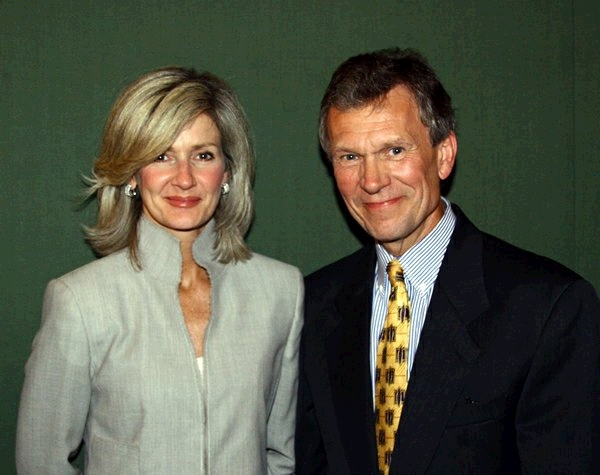
“Linda and I salute the early pioneers in this field, and the families living with FAS. There should be a Hall of Fame for them. A Hall of heroes that inspires healing, hope and progress. A Hall for anyone willing to commit whatever it takes.”
– The Honorable Tom Daschle
Hall of Famers
Learn more about the current heroes in the FASD Hall of Fame.
The Allen Family
Taylor was born in at just over 4 lbs. with both eye and ear deformities that were corrected by surgery by age 2. It was fortunate that his birth mother gave a full and honest history after his birth, admitting to drinking a 6 pack of beer most nights with occasional binge drinking and hard liquor throughout her pregnancy. Cathy and Mark adopted Taylor when he was a day old. Doctors at the state medical university were consulted and indicated the baby boy would likely be fine but may have some mild learning disabilities! We figured we could handle that! Throughout Taylor’s early years his teachers told us he could not concentrate, listen or follow directions. Learning disabilities, we thought! He scored high on all of his tests so we weren’t worried. In 2nd grade we were asked to have him tested and he was diagnosed at Johns Hopkins with ADHD. The doctor told us his mother’s alcoholism was irrelevant, and Taylor scored too well in standardized tests to have FAS. We figured we must have been wrong. Taylor remembers only constant reprimands and punishments from those years and the daily panic he felt trying to be good. By middle school he was picking up and bringing home all kinds of items. He weaved convincing stories to explain it and we totally believed him. He was a warm, funny and sweet, so it just didn’t make sense that there could be anything else going on. We eventually began to find stashes of hundreds of lighters, knives, gadgets and baubles. By high school there were phones, iPods and he had begun stealing money. Taylor was arrested in 7th grade for bringing a small pocket knife to school and suspended for 2 weeks. The police interview scared him to death. When he went back to school, we found another pocketknife on him! A week later the same thing happened. That’s when we knew there was something seriously wrong, and we began working with a counselor. Unfortunately, we were unaware of how significantly his emotional and mental health had been affected by the constant facade he had to put on to get through each day. We tried to educated teachers, his counselor and his doctors. Taylor was teased and picked on and we made the school take action. But his anxiety and depression had become severe. We had another neuro-psych test done, but by then we had had empowered ourselves with research on what was now being called FASD. The doctor agreed and diagnosed him with ARND. After reading numerous papers on line by Dr. Paula Lockhart who ran the FASD Clinic at Kennedy Krieger, I was told she wasn’t able to take any more patients. I got her email and told her all about Taylor. She contacted me and told me to make an appointment. All Taylor’s anxiety and fear, all of the things he had been afraid to talk about finally found an understanding and supportive ear. We heard it all- and we were shocked! This was also the same year we met Kathy Mitchell and became involved with FASD United. We couldn’t believe there were other people with the same issues. Why didn’t anybody else seem to know about it? Although we become knowledgeable and able to speak successfully to the education system, no one looked at Taylor and believed he had brain damage. He was too smart and well spokenon the outside he looked like every other kid his age. Taylor reached rock bottom in 10th grade after we requested another meeting to evaluate him for an IEP. At the meeting, the special education teacher gave him a 5 minute lecture on allowing his parents make excuses for behavior which was no more than complacency and laziness on his part. She told him to step up. Taylor’s despair was apparent. When we got home, Taylor cut himself all over his body with a razor blade and ended up in the Johns Hopkins Psychiatric Ward. When he finally came back to school, teachers started listening. From that point on his school counselor called a meeting for all Taylor’s teachers each quarter, and allowed us to give a half hour presentation on FASD. But years of stress and fear had already taken its toll. Taylor was arrested for felony breaking and entering in an abandon building. He had been leaving school and hiding all day for weeks. He suffered a total breakdown and a second stint at Hopkins. We worked hard to get him into a special school his senior year but it was not easy. Finally, the school agreed to admit him into the County’s Homewood Alternative School. Taylor thrived! His unique and special “qualities” were recognized and he became a successful peer counselor. Taylor graduated and was asked to be the student speaker (valedictorian) at his graduation ceremony, where he had many parents in tears with the heartwarming story of his struggles and successes. That year Taylor began speaking as an advocate for FASD United as well. He has spoken at several conferences and seminars on FASD and loves to talk to a crowd! His specific experiences with FASD and the mental health issues that affect many who suffer with fetal alcohol spectrum disorders seems to resonate with people in a different way than when they hear it from a specialist or practitioner. Taylor has just completed a two-year training in Electronics Systems Technology and is on track to receive his AA. We are helping him look for a job in this field and getting him whatever assistance he needs to accomplish that. He plans to continue advocating for others like himself and to educating doctors, counselors, teachers, pregnant women and his peers, about the devastating effects of drinking alcohol during pregnancy. He certainly has a lot to say, and we wouldn’t have it any other way.
Larry Burd, PhD
Dr. Larry Burd is a Professor in the Department of Pediatrics at the University of North Dakota School of Medicine. He is the Co-Principal Investigator for The TIC Consortium and The Early Program (screening for autism in young children). For 30 years, Dr. Burd has been with the children’s program at Altru Health System and Director of the North Dakota Fetal Alcohol Syndrome Center. Dr. Burd has evaluated and developed intervention programs for over 15,000 children with developmental disorders. He has made nearly 500 presentations on the topic of FASD and published over 120 professional papers on topics dealing with development and behavior in children and adolescents. He has several handbooks for parents and teachers of children with mental health disorders. Dr. Burd is currently a Co-Principal Investigator of the PASS Network which examines maternal and environmental risk factors for stillbirth and infant mortality including SIDS and Fetal Alcohol Spectrum Disorders.
Bonnie Buxton and Brian Philcox
FASD United is extremely pleased to honor Bonnie Buxton and Brian Philcox while we commemorate International Fetal Alcohol Spectrum Disorders Day across the country and beyond on September 9, 2006. Bonnie and Brian are great heroes and we salute their courage and spirit in advocating for this issue. Below is an excerpt from Bonnie and Brian’s FASD Day press release. “Trust your crazy ideas,” says a sign on Bonnie Buxton’s bulletin board. Along with her husband, Brian Philcox, Buxton came up with the idea of International Fetal Alcohol Syndrome Awareness Day (FASDay) in January 1999. “We were digging out our cars from the great Toronto snowstorm,” Buxton recalls. “Warming up over coffee, we realized that on 1999-09-09, a whole lot of nines would be coming together. What about using that date to remind the world that during the nine months of pregnancy, a woman should not drink alcohol?” Adoptive mother Teresa Kellerman of Tucson, AZ, joined them as a coordinator. On the first FASDay, September 9, 1999, communities across Canada and the U.S., several European countries plus South Africa, New Zealand and Australia participated. “Now there are more communities than we can count,” says Philcox, who keeps records for the FASworld Canada website, www.fasworld.com Buxton and Philcox became advocates for families struggling with FASD after their daughter Colette, now 26, was diagnosed with Alcohol-Related Neurodevelopmental Disorder (ARND) in 1997, aged 17. At that time she was addicted to cocaine and living on the street. “We knew that her biological mother had been an alcoholic,” says Buxton, “but we had no idea that this bright little girl was struggling with permanent brain damage.” Buxton explains that individuals with ARND have seemingly normal intelligence, but will struggle lifelong with invisible learning and behavior problems resulting from prenatal exposure to alcohol. ARND is the most common form of Fetal Alcohol Spectrum Disorder (FASD), which affects about 300,000 Canadian children and adults. Bonnie Buxton is a journalist, editor and screenwriter whose articles have appeared in numerous Canadian magazines and newspapers. Her book about FASD, “Damaged Angels,” was published in Canada (Knopf, 2004) and in the U.S. (Carroll & Graf, 2005). A career communicator, Brian Philcox has worked in government, academia and the private sector. He is currently president of his local Rotary Club, focusing on issues related to the mental and physical health of children and adolescents both locally and internationally. In 1999, Buxton and Philcox created FASworld Canada, a not-for-profit organization which provides a support group for parents in the Toronto area, gives workshops and FASD training for parents and professionals, and consults to families across Canada and worldwide. Arizona’s Teresa Kellerman continues to partner with Buxton and Philcox, developing ideas for volunteers on the website www.fasday.com. On September 9, 2006, volunteers across Canada and the U.S., and many other countries – including the UK, both Irelands, France, Netherlands, Germany, Poland, Luxemburg, South Africa, Uruguay, Japan, Taiwan, Australia and New Zealand – will be participating.
Faye Calhoun, PhD
Dr. Faye Calhoun retired from the position of Deputy Director of the National Institute on Alcohol Abuse and Alcoholism (NIAAA), a component of the National Institutes of Health, in April, 2006. While at NIAAA she organized and chaired the Interagency Coordinating Committee (ICCFAS) on FASD. The ICCFAS is a committee of government representatives from the U.S. Departments of Health, Education and Justice. Dr. Calhoun served as an advisor to the SAMHSA Center for Excellence on FASD and as a charter and continuing member of the National Task Force on FAS. She has been active in developing international multi-sit, multidisciplinary teams of scientists and clinicians to conduct research on FASD. Her initial appointment to government was at the Food and Drug Administration as a reproductive toxicologist and pharmacologist. Born in Washington, D.C., Dr. Calhoun obtained the M.S. degree with a focus in endocrinology and biochemistry from Howard University and the doctorate in public administration from the University of Southern California. Dr. Calhoun also sat on the FASD United Board of Directors.
Grace Chang, MD
Dr. Grace Chang is Professor of Psychiatry at Harvard Medical School. She has had a longstanding clinical research interest in substance use during pregnancy. Her work in this field began while she was a junior faculty member at the Yale University School of Medicine and created a program for pregnant women dependent on opiates that sought to reduce every possible barrier to their treatment. In 1991, Dr. Chang joined the faculty at the Brigham and Women’s Hospital in Boston, MA. With the strong encouragement of the Chair of Psychiatry, Dr. Jonathan Borus, Dr. Chang worked to improve the identification of risk drinking during pregnancy, and to conduct the first large clinical trials of brief intervention to modify prenatal alcohol exposure. Her coinvestigator was Dr. Louise Wilkins-Haug, an obstetrician, and their research with pregnant women was supported by Dr. Robert Barbieri who is the Chair of Obstetrics and Gynecology at the hospital. In addition to the larger goals of effective identification and intervention, the research team examined other aspects of prenatal drinking, including readiness to change, the influence of drinking goals on consumption, and the contribution of the pregnant woman’s partner on her behavior. Their research was supported by grants from the National Institute on Alcohol Abuse and Alcoholism.
The Center for Behavioral Teratology
The Center for Behavioral Teratology (CBT) leads the quest to fully understand Fetal Alcohol Syndrome by conducting innovative research on the effects of prenatal alcohol exposure. Using techniques ranging from basic science to sophisticated brain imaging, CBT scientists work to identify the specific brain and behavioral changes that occur following exposure and explore novel ways to mitigate these effects. This type of research is essential to the development of improved diagnostic tests and effective interventions for Fetal Alcohol Spectrum Disorders. FASD United salutes the Center and its dedicated research staff for their invaluable contributions to creating a better future for individuals and families affected by FASD. Jennifer Thomas received her Ph.D. from the University of Iowa in 1995, completed postdoctoral training at The Scripps Research Institute, and is currently an Associate Professor in Psychology at SDSU. She is on the Editorial Board of Neurotoxicology and Teratology and a member of the Education Committee of the Research Society on Alcoholism. Her research focuses on mechanisms of alcohol-induced brain and behavioral dysfunction, along with the identification of novel treatments. Edward P. Riley received his Ph.D. in 1974 from Tulane University and is currently a Professor in Psychology and the Director of the Center for Behavioral Teratology at SDSU. He is the author of over 190 scientific papers and reviewed and edited the Handbook of Behavioral Teratology. In 2000 he was appointed by the U.S. Secretary of Health to Chair the National Task Force on FAS. He currently serves as the Co-Chair of the SAMHSA-sponsored FAS Center for Excellence. He has served as the President of the Research Society on Alcohol, the Fetal Alcohol Study Group, and the Behavioral Teratology Society. Last year, he received the FASD UNITED Excellence Award and recently the RSA Distinguished Researcher Award. Dr. Sarah Mattson received her Ph.D. degree in 1994 from the SDSU/UCSD Joint Doctoral Program in Clinical Psychology. She is currently an Associate Professor in the Department of Psychology and the Associate Director of the Center for Behavioral Teratology at SDSU. She is the author or co-author on 38 publications and 7 book chapters. Recently, she has been studying aspects of attention and visual-spatial functioning in children with FASD, the comparison between FASD and ADHD, and brain structure and function using brain imaging.
Claire Coles, PhD
Dr. Claire D. Coles is a leading researcher and has contributed greatly to studies on fetal alcohol spectrum disorders and research on teratogenic exposures during pregnancy. FASD United honors Dr. Coles for her many years of continued research and longstanding commitment to eliminating alcohol related birth defects. Dr. Coles established the Fetal Alcohol Center at the Marcus Institute and continues to serve as its Director. The Marcus Institute is an affiliate of the Kennedy Krieger Institute in Atlanta, Georgia. Dr. Coles is also Professor of Psychiatry and Behavioral Sciences at the Emory University School of Medicine and the Department of Pediatrics. Dr. Coles has been an active member of several task forces, advisory committees and serves as an advisor and consultant to several nonprofits and other organizations dealing with fetal alcohol spectrum disorders, developmental disabilities and alcohol related health studies. She was one of the founding members of the National Task Force on Fetal Alcohol Syndrome/Fetal Alcohol Effects and was also a member of the Advisory Committee, National Center for Birth Defects and Developmental Disabilities, Centers for Disease Control and Prevention, in 2001. She was a member of the 1999-2001 FAS Work Group, Office of Special Education Programs, U.S. Department of Education, and the Committee to Study Fetal Alcohol Syndrome, Institute of Medicine, National Academy of Sciences between 1994 and1996. Dr. Coles was awarded the Thomas J. Asher Award for the Prevention of Developmental Disabilities by the Atlanta Alliance on Developmental Disabilities in 2001. Her research focuses on developmental outcomes of teratogenic exposures, from infancy through adulthood. She has also focused on both the direct neurobehavioral effects of drugs of abuse and the interaction of these effects with postnatal environment in producing developmental psychopathology. She is currently a guest editor for a special edition of the Journal of Pediatric Psychology focusing on children of substance abusers. In Atlanta, Dr. Coles participates in the FAS Task Force, formerly sponsored by the March of Dimes, and was a member of the Professional Advisory Council, Mission New Hope: A Substance Abuse Coalition for Metro Atlanta, established in 1992. Dr. Coles also is the Director of the Maternal Substance Abuse and Child Development Laboratory at Emory Psychiatry, a laboratory that conducts research on developmental effects of prenatal alcohol exposure. FASD United is extremely pleased to enshrine Dr. Claire Coles in the FASD Hall of Fame. Her contributions to the field are invaluable.
Tracy Combs
Tracy Combs is a 23 year old who is a constant inspiration to individuals and families touched by alcohol-related birth defects. She was diagnosed at age two with Fetal Alcohol Syndrome. Her hobbies include watching movies, traveling with her Mom and talking on the phone. She works at Dave & Buster’s each morning helping the restaurant prepare for the day’s opening. For many years Tracy has participated in FAS research at the Center for Behavioral Teratology at San Diego State University led by renowned scientist Dr. Edward Riley. An MRI image of Tracy’s brain depicting the hallmark effects of prenatal alcohol exposure is used in FAS medical literature, textbooks and presentations worldwide. Tracy was a featured guest at the Los Angeles premiere of the award-winning FASD United public service announcement “Infinite Power,” produced by Women In Film, and loves to attend conferences and meet new people. Tracy and her birth mom Peggy reside in San Diego along with their dog and two cats.
Melissa Jacobus Cook
As any parent will tell you, their children are at the heart of what gives life meaning. Twenty years ago, that meaning took an unexpected turn for Melissa Jacobus Cook. Melissa found herself in a world full of unexplained behaviors and limited answers while parenting her children. Something just didn’t seem right with her children whom she had adopted from Russia. Melissa went searching for answers and a diagnosis that could explain her children’s intellectual and behavioral challenges. Through a difficult and at times frustrating journey, she learned her children were affected by FASD. As the “hidden disability” became more visible, Melissa’s mothering instincts kicked in and she undertook a quest to meet her children’s needs. Since 1998, Melissa not only has been supporting her children, but she stands on the front line of FASD advocacy on behalf of all children, adults, and families seeking healing and hope. Among her countless official and unofficial roles she is a parent advocate for FASD United and serves on the Advisory Committee for FASD Communities, an FASD United affiliate organization. At the 2011 FASD United Affiliate Summit, Melissa met with the Georgia Congressional delegation, including staff members in the offices of Representative Tom Price and Senators Saxby Chambliss and Johnny Isakson. She passionately talked about FASD and her experiences, and made he case for expanded recognition and investment for FASD. In the ensuing years, Melissa continued her Capitol Hill advocacy including in 2016 when she and her son Sasha participated in a National FASD Youth Leaders Gathering and again met with elected officials to stress the reasons why FASD should be an eligible condition in the Individuals with Disabilities Act. Melissa has been active on the national level while also bringing FASD awareness to the state level. She has written seven proclamations acknowledging September 9th as FASD Awareness Day which were recognized by Georgia Governor Nathan Deal from 2013 to 2018 and Governor Brian Kemp in 2019. Melissa’s proactive approach in advocating for FASD was on full display in September of 2012 when she co-lead and presented at the State Bar of Georgia, through the Department of Behavioral Health and Developmental Disabilities, Suicide Prevention Program, and The Supreme Court of Georgia’s Committee on Justice for Children. Educating practitioners, educators and disability advocates has been critical to helping those living with FASD. In 2013, Melissa presented on FASD as a member of the Speakers Bureau for the Center for Disease Control and Prevention’s FASD Southeast Regional Training Center at the Morehouse School of Medicine in Georgia. In 2018, she participated in the Public Health Program (MPH) Family Mentoring Program at Emory University in conjunction with The Arc of Georgia and again in 2019 with the Georgia State University, School of Public Health Center for Leadership in Disability. In 2017, she co-presented with NOFAS on FASD Advocacy and was featured on a panel discussion at the Advocacy Center of Louisiana National Disability Rights Network at their event “Advocating for Individuals Living with FASD”. Educating the criminal justice system has been equally important. In 2018, Melissa presented at the NOFAS FASD Justice Task Force and the Mississippi Public Defenders Association and Disability Rights Mississippi (DRMS), where she spoke as a parent advocate about her experience with her daughter, who had been incarcerated for a crime brought about by the secondary conditions associated with FASD. Because Melissa was moved by the need to expand FASD awareness in Georgia and help others who could be facing the same hardships that her daughter experienced in the criminal justice system, she became involved in FASD Advocacy at the Greater Gwinnett Reentry Alliance (GGRA) in Georgia which helps to provide resources for citizens reentering into the community. On September 18, 2018, Melissa organized a legal training on FASD presented by Atlanta Legal Aid and sponsored by the Georgia Office of the Child Advocate, Southern Center for Human Rights, Georgia Advocacy Office, Georgia Court Appointed Special Advocates (CASA), NOFAS, Georgia Appleseed – Center for Law & Justice, and the Arc of Georgia. Melissa presents on FASD to elementary schools, universities, churches, adoption agencies, doctor offices and the Department of Family and Children Services. Melissa is always ready to advocate for FASD at a moments notice when the need presents itself, keeping FASD literature stored in her car. As a parent of children with FASD, Melissa believes there are no coincidences and that she must be prepared for the unexpected. Melissa finds that caregivers are often unable to get to support group meetings and need evidenced-based strategies and interventions to assist their children, even if they find it in a grocery store parking lot. Melissa continues to support and share her knowledge and experiences of parenting children with what she describes as the “environmental prescription” approach. A testament to this approach can be found in an article published by the CDC titled “Living with FASDs: Sasha’s Story”, which spotlights her son’s success. Prior to her FASD advocacy work, Melissa worked for Tribune Broadcasting Company and was awarded the highest honor for Customer Service. She left in 1997 to devote herself full-time to the needs of her children and to the FASD cause. “Our children are our heart and soul,” Melissa says, “Their lives need and deserve to have meaning. Our FASD advocacy is their lifeline” For her leadership, tireless FASD advocacy and fellowship for all, FASD United proudly inducts Melissa Jacobus Cook in the Tom and Linda Daschle FASD Hall of Fame.
Elizabeth Dang, MPH
For her extensive and dedicated advocacy work on FASD prevention, FASD United is delighted to enshrine Elizabeth Dang in the Tom and Linda Daschle FASD Hall of Fame. Established in 2005, this Hall of Fame serves as a spotlight honoring the heroes living with Fetal Alcohol Spectrum Disorders and the families, advocates and researchers devoted to preventing and treating the disorder. Elizabeth Dang is originally from Atlanta, Georgia. As an undergraduate, Elizabeth studied psychology at Oglethorpe University, and then she earned her Master of public health (MPH) from Emory’s Rollins School of Public Health with a concentration in behavioral science. Elizabeth now works at the Centers for Disease Control and Prevention (CDC) as a behavioral scientist at the National Center on Birth Defects and Developmental Disabilities (NCBDDD). She has been with the CDC Fetal Alcohol Syndrome Prevention Team for over 15 years. As a part of this team, Elizabeth works on health education and communication initiatives that aim to inform individuals about FASD diagnosis and treatment, as well as FASD prevention. She coordinates her advocacy efforts at the CDC with outside organizations such as FASD UNITED and the American Academy of Pediatrics. Elizabeth’s work is far from over, but through her tireless advocacy she has already made invaluable contributions to the field of FASD. An example of one of the prevention efforts that she collaborated on is the handbook “Drinking and Reproductive Health: A Fetal Alcohol Spectrum Disorders Prevention Tool Kit”, published by the American College of Obstetricians and Gynecologists. Additionally, she contributed to a publication by the NCBDDD entitled “Planning and Implementing Screening and Brief Intervention for Risky Alcohol Use: A Step-bystep Guide for Primary Care Practices.” Elizabeth has also recorded numerous PSAs and expert interviews to inform the public on the risks of drinking during pregnancy. Click here to view one of Elizabeth’s interviews on FASD prevention. “The message is simple”, she says. “A woman should not drink any alcohol if she is pregnant or could become pregnant. It’s just not worth the risk. Our work, in collaboration with our partners, can raise visibility about this public health issue and help to address it.” Elizabeth, her husband Hoang, and their son Edmond FASD United expresses its deepest gratitude to Elizabeth for everything she has done to advance our cause. On behalf of all our partners and affiliates, we enshrine her in the FASD Hall of Fame.
William J. Edwards
William J. Edwards is a Deputy Public Defender with the Los Angeles County Public Defender’s Office and has served in that position since 2001. From 2008 to 2011, he worked in the mental health court, where he represented people with intellectual disabilities and mental illness. Since 1994, Mr. Edwards has specialized in the representation of people with intellectual disabilities/developmental disabilities in the criminal justice system. Prior to working in Los Angeles, Mr. Edwards worked with the Office of the Public Defender in San Diego and Riverside County, California. From 1999 to 2001, Mr. Edwards worked as a staff attorney for the Office of the Capital Collateral Counsel in Tallahassee, Florida. Mr. Edwards represented inmates under sentence of death in state and federal courts. On a pro bono basis, Mr. Edwards represented inmates with intellectual disabilities or mental illness, from 1996 to 2001, on death row nationwide, including inmates in Texas, Nebraska, Mississippi, Louisiana and Florida. For three years thereafter, Mr. Edwards served as one of the amicus attorneys for Johnny Paul Penry, an inmate with intellectual disabilities on death row in Texas. In Penry v. Johnson ( 532 U.S. 782 (2001), a landmark Supreme Court case, Mr. Edwards and other amicus attorneys argued that the execution of people with intellectual disabilities violates both national and international law. Mr. Edwards has authored numerous articles on the subject of people with intellectual disabilities in the criminal justice system. One of his publications was cited by the United States Supreme Court in Atkins v. Virginia 536 U.S. 304 (2002). Prior to the United States Supreme Court decision banning the execution of people with intellectual disabilities, he also consulted with and testified before many state governmental legislative bodies regarding problems people with intellectual disabilities face while in the criminal justice system. At the request of Temple University’s Institute on Disabilities, located in Philadelphia, Pennsylvania, Mr. Edwards wrote a training manual for attorneys who represent people with intellectual disabilities, which are used across the United States and in other countries such as Australia. From 2002 until 2005, Mr. Edwards served on the Faculty of the National Academy for Equal Justice for People with Developmental Disabilities at Temple University. From 1997-1999, Mr. Edwards was honored with the Rosemary F. Dybwad International Fellowship, sponsored by the National Association of Retarded Citizens. This fellowship allowed Mr. Edwards to travel throughout Canada to train and educate Legal Aid Attorneys and Public Defenders in the area of intellectual disabilities and fetal alcohol syndrome/fetal alcohol spectrum disorders within the criminal justice system. On May 11, 2006, Mr. Edwards was appointed by President George W. Bush to serve on the President’s Committee for People with Intellectual Disabilities. This is a federal advisory committee established by presidential executive order to advise the President of the United States and the Secretary of the Health and Human Services on issues concerning the lives of citizens with intellectual disabilities. In 2007, Mr. Edwards was an author for a report on people with developmental disabilities who are victims of crime. This report was sent to the White House. On May 8th, 2008, Mr. Edwards was appointed by President George W. Bush to serve a consecutive two year term on the President’s Committee for People with Intellectual Disabilities. In 2008, Mr. Edwards was one of the authors of a report on Fetal Alcohol Syndrome. On July 6th, 2009, Mr. Edwards was appointed to the editorial board of the The Journal of Psychiatry and Law. On November 3rd, 2009, he was appointed as special editor of a special issue on Fetal Alcohol Syndrome and the Law. Volume one (1) of this special issue was released in June 2011 and volume two (2) was released in September 2011. Mr. Edwards has also served on a variety of committees, addressing people with intellectual disabilities and Fetal Alcohol Syndrome who get caught up in the criminal justice system in the United States and abroad, including: 1996-1998: Criminal Justice Process Committee Chair on the California Criminal Justice Task Force for Persons with Developmental Disabilities 1996 to 1999: American Bar Association, Young Lawyers Division, Criminal and Juvenile Justice Committee 1997-2000: American Bar Association’s Death Penalty Representation Project 1999-2002: Counsel for the American Bar Association’s Criminal Justice Section and the Commission on Mental and Physical Disability Law 2001-2002: Editorial Advisory Board of the American Bar Association, Journal of Mental and Physical Disability Law Reporter 2004-2006: California Governor’s Office of Emergency Services, Children’s Justice Act Task Force. 2006-2008: American Bar Association Commission on Mental and Physical Disability Law-Chair Criminal Justice Issues 1996-Present: Board of Directors of the Association of Retarded Citizens in Riverside 2010-Present: National Advisory Board for the National Organization on Fetal Alcohol Syndrome. Currently serves as a Consulting Editor for the American Association on Mental Retardation, Journal of Mental Retardation and as an editor (journal referee) for the British Journal of Learning Disabilities Mr. Edwards has been an instructor, lecturer, guest speaker, and panelist for numerous institutions and has lectured both nationally and internationally, including New Zealand, Taiwan, England, Ireland, Greece, Canada, Scotland, and Australia. Mr. Edwards has had at least six people with FASD diagnosed since 2006. He is also working with the American Bar Association Center on Children and the Law with proposed Resolution on FASD to be passed in August.
Marceil Ten Eyck
Marceil Ten Eyck has made extraordinary and multifaceted contributions to the field of fetal alcohol spectrum disorders (FASD)—as a professional counselor and psychotherapist, an inspiring speaker and educator, a published author, an advisor on local and national FASD policy—and, importantly, as a warm and devoted mother and grandmother. Marceil received her training at the University of Oregon and Seattle University, earning a Master’s in Counseling in 1986. She became a psychotherapist and counselor, working with children and families, including those in domestic violence situations. Marceil moved on to become a family counselor at an inpatient chemical dependency facility for women, and was involved in clinical, research and supervision for 4 years. In 1990, Marceil entered private practice and began her FASD-related activities, recognizing that FASD had touched her own family. She has continued with nearly two decades of caring work in the field. Since 1990, Marceil has focused on issues of FASD as a psychotherapist and counselor, and as a parent support group facilitator. For 5 years, she was part of the pioneering University of Washington FAS Diagnostic Clinic multidisciplinary team. In 1991, she helped found the FAS Information Services of Washington State (FASIS), which publishes “Iceberg,” an educational newsletter on FASD, and remains on the FASIS board. During the 1990’s, Marceil began her still ongoing activities as a compelling educator and consultant on FASD. Throughout the U.S and Canada, she has spoken about her experiences as the mother of children with FASD, and her professional expertise in FASD prevention and intervention. In 2000, she wrote “A Mother’s Tale,” a chapter in Fantastic Antone Grows Up, an important book distilling the clinical wisdom in the field and laying the groundwork for intervention efforts to follow. At the University of Washington, she was a community advisory board member for CDC-funded research on secondary disabilities among individuals with FASD that spurred real momentum in the field. Later, she was an advisor and trainer for the Families Moving Forward Program, CDC-funded scientific FASD intervention research. Marceil also stepped into the policy arena in the mid-1990’s. Her FASD steering committee activities began at the county level in Washington State. In 2001, Marceil moved to the national level when appointed to the SAMHSA-funded FASD Center for Excellence steering committee. As part of the Center, Marceil chaired the subgroup for FASD prevention. She also helped found the “Circle of Hope,” a network of birth mothers of individuals with FASD. Marceil is the center of a large and loving family— and central to the far-flung community of those affected by FASD that she has helped over many years. In 2001, she was presented a leadership award for outstanding dedication to treatment for women with chemical dependency and their families. Her dedication and leadership continue. In 2008, Marceil Ten Eyck most certainly belongs in the Hall of Fame for those who have helped unveil and treat the “invisible disabilities” of FASD.
Louise Floyd, PhD
Dr. Louise Floyd is a Supervisory Behavioral Scientist and Team Leader of the Fetal Alcohol Syndrome (FAS) Prevention Team, Prevention Research Branch, Division of Birth Defects and Developmental Disabilities, National Center for Birth Defects and Developmental Disabilities, Centers for Disease Control and Prevention. She began her career in public health at the Georgia Department of Human Resources where she worked prior to joining the Centers for Disease Control in 1988. At CDC she served as Project Officer of Smoking Cessation in Pregnancy (SCIP) Randomized Controlled Trial that was conducted by the Division of Reproductive Health, Center for Chronic Disease Prevention and Health Promotion. In 1992 she joined the Division of Birth Defects and Developmental Disabilities as Chief of the FAS Prevention Unit where she currently resides. In 1995 she received the Annual Faye G. Abbdellah Publication Award that is given in recognition of an outstanding contribution to the health-care literature by a nurse in the Public Health Service. Dr. Floyd served as the CDC representative to the federal Interagency Coordinating Committee on FAS (ICCFAS) and oversaw the development of the National Task Force on FAS/FAE, serving as its first Executive Secretary. She served as the CDC Primary Investigator of Project CHOICES, an innovative program shown to reduce alcohol-exposed pregnancies in high risk women. In 2008, she received the Charles C. Shepard Science Award for Scientific Excellence and in 2010 received the Henry Rosett Award from the Fetal Alcohol Spectrum Disorders Study Group, Research Society on Alcoholism, for outstanding contributions to scientific research and efforts to increase awareness of Fetal Alcohol Spectrum Disorders. She has over 50 FASD-related publications. Dr. Floyd received her BS degree in nursing from Berea College, Berea, Kentucky and a Master’s in nursing from Emory University where she was inducted into the Sigma Theta Tau Honor Society in Nursing. She received a Doctorate of Science Degree in Nursing from the University of Alabama. Her current activities include dissemination of the CHOICES intervention in multiple public health venues.
Julie Gelo
A mother of thirteen children, leading national advocate, executive director of a FASD United Washington, outstanding spokesperson – Julie Gelo wears many hats and is a fascinating personality. FASD United salutes Julie for her courage, strength and perseverance and honors her through this Hall of Fame. Julie and her husband Lynn live in Bothell, Washington, with the youngest seven children and have been licensed foster parents for the past thirteen years. Over the years, Julie and Lynn have fostered and adopted a combined total of twenty two children. Currently, she and her husband live with four adopted children and three children of whom they are guardians. These seven children along with her oldest biological daughter have all been diagnosed with fetal alcohol syndrome or related conditions. Julie recently started NOFAS Washington, an affiliate of FASD United. Along with her colleague Christie Connors, Julie has been successful in advocating for the issue at the international, national and state levels. She has worked on several programmatic developments along with FASD United and other leading agencies in this field. Julie is one of the four founders and an intricate player in FASD United Circle of Hope (COH), a nationwide support network of birth mothers of children with FASD. Julie continues to uphold her strength while diligently working to help FASD United in making the COH one of the strongest support networks for birth mothers across the United States. This year marked the first official retreat for the COH. The success of the retreat was immensely impacted due to Julie’s presence and wise words. Julie recently lent her knowledge and years of experience to the attendees of North Carolina’s “Hope for Women in Recovery Summit: Understanding and Addressing the Impact of Pre-Natal Alcohol Exposure.” This two day summit, sponsored by the Substance Abuse and Mental Health Services Administration (SAMHSA) and hosted by FASD United, was attended by hundreds from the North Carolina government, substance abuse provider community and women in recovery who are at risk for having or who may have had a child with FASD. The attendees of the Summit were fortunate to receive firsthand knowledge from Julie’s life experiences. Julie has been a Family Advocate for the Washington State Fetal Alcohol Syndrome Diagnostic and Prevention Network core team at the University of Washington for over a decade. She is also a member of the Master Training Team for the Foster Parent Training Institute with the Department of Social and Health Services/Division of Licensed Resources. Julie and her children participated in the preparation and filming of “Journey Through The Healing Circle” and helped prepare the video study guides for this this two-hour series of videos that was aired on PBS channels throughout the Pacific Northwest and Canada and made it to the finals for a Regional Emmy Award. Julie was also featured on a SAMHSA production, “Recovering Hope – Mothers speak out about Fetal Alcohol Spectrum Disorders”, a videotape that presents an intimate and evocative hour-long look at mothers and families of children affected by FASD. A highlight of Julie’s personal and professional accomplishments has been organizing the annual FASD family summer camp. The first camp was held three years back out of which a group called “FASt Friends,” an FASD Family and Community Support Network, was formed. FASD United staff participated at this year’s FASD camp as part of its collaborations initiative with several of its affiliates. Julie Gelo is a true inspiration to birth families, adoptive and foster parents, social activists, spokespersons and many others who would like to make a difference to another person’s life. FASD United is extremely delighted for the longstanding relationship that it shares with Julie and wishes her and her family the best for the future.
Stephen Greenspan, PhD
For his groundbreaking and dedicated work in support of individuals with Fetal Alcohol Spectrum Disorders (FASD), FASD United inducts Stephen Greenspan into the Tom and Linda Daschle FASD Hall of Fame. Dr. Greenspan has researched and written extensively on personal competence, social intelligence, adaptive functioning, parenting and discipline, and the problem of gullibility. He has explored many of these concepts in the context of developmental disabilities, specifically Autism and FASD. One of his most significant contributions is attempting to broaden the view of neurodevelopmental disorders to become more holistic, so that IQ is not the only point of reference for a diagnosis. With FASD in particular, he points out that affected individuals are mainly impaired by a lack of social and practical judgment, whereas outdated standards typically make their IQs—often above the cut-off—the sole determination of their eligibility for services. In his co-authored paper “FASD and the Concept of ‘Intellectual Disability Equivalence’”, he states: Fetal Alcohol Spectrum Disorder (FASD) is a logical candidate for such an accommodation as (a) it (like ID) involves brain impairment, (b) people with FASD have adaptive deficits and support needs that are identical to those with ID, and (c) while many people with FASD do qualify as having ID, the majority do not, because full-scale IQ scores are typically too high. (241) His original and insightful ideas have led him to be the most frequently cited authority in the Intellectual Disability section of the DSM-5. Additionally, professionals in many fields trust his conclusions due to his credentials and professional history. In addition, Dr. Greenspan has defended individuals with intellectual and developmental disabilities—prompting exemption from the death penalty in several cases—by delivering expert testimony. This includes testifying last year in the Supreme Court case Moore v. Texas, where he successfully demonstrated that the defendant had a disability and therefore should not be executed. Another important contribution Dr. Greenspan has made to the field of FASD is his paper “Why People with FASD Fall for Manipulative Ploys: Ethical Limits of Interrogators’ Use of Lies”, where he applies his research on gullibility and manipulation to situations where individuals with FASD get in legal trouble. In an educational YouTube video featuring Dr. Greenspan recorded by FASD UNITED, he states, “I think…the core deficit that causes people with FASD to get in all kinds of trouble includes not being able to predict the perspective of someone that is trying to manipulate them… that’s an illustration of not understanding how to present yourself in a light that is hopefully not going to result in prosecution.” Dr. Greenspan strives to educate and inform judges on FASD and its implications in legal situations. In the same educational video, he concludes by saying, “I think that the more that judges and lawyers know about FASD, and are able to link it up with particular criminal types of behaviors, the more likely it is that justice will be the outcome.” (Also watch Dr. Greenspan’s remarks at a FASD UNITED press conference.) Attorney Billy Edwards, Chair of the FASD UNITED Justice Task Force, who knows Dr. Greenspan and his work very well and has authored papers with him, is thrilled that FASD UNITED is honoring Dr. Greenspan, saying it is well-deserved. He adds, “Dr. Stephen Greenspan has done so much in the FASD community to help so many attorneys, like myself, better understand the importance between adaptive behavior skills and the IQ level of their client.” Dr. Greenspan received his doctorate from the University of Rochester in Developmental Psychology, and then received a postdoctoral certificate from UCLA’s Neuropsychiatric Institute in Developmental Disabilities. His academic career has led him to teach and conduct research at various highly-respected institutions, such as Vanderbilt University, the University of Nebraska, the University of Connecticut, and the University of Colorado. FASD United expresses its deepest gratitude to Dr. Greenspan and on behalf of its affiliates and partners, welcomes him to the Hall of Fame.
Michael I. Jeffery
For his groundbreaking attention to Fetal Alcohol Spectrum Disorders (FASD) from the bench, FASD United inducts Michael I. Jeffery into the Tom and Linda Daschle FASD Hall of Fame. Judge Jeffery served as a Superior Court Judge in the Second Judicial District in Barrow, Alaska until he retired in 2014 after a 32-year judicial career. He adapted his court activities for FASD-affected individuals, was a prominent figure in the passage of Alaska’s FASD mitigation legislation, and served on numerous statewide committees dealing with FASD and juvenile justice. The Stanford University and Yale Law School graduate’s caseload included a substantial number of persons affected by FASDs, including felony and misdemeanor criminal action, civil litigation, probate and child welfare, child custody and juvenile delinquency cases. He served on the Alaska statewide Fetal Alcohol Syndrome Steering Committee and presented at numerous FASD trainings. He served as the Alaska Court System representative to the Alaska FASD Partnership and on the advisory board of the federally funded Arctic Regional FASD Training Center at the University of Alaska Anchorage. He has presented on FASD and justice system issues to the Alaska Bar Association, the Alaska Court System and at regional FASD conferences throughout the U.S. Judge Jeffery was instrumental in the 2012 passage of the Alaska statute that explicitly allows its judges to reduce a felony sentence for an offender diagnosed with an FASD. As he wrote with Teri Tibbett, an advocacy coordinator on the Alaska Mental Health Board, “The statute promised more humane treatment for offenders [living with FASDs] and significant cost savings to the state.” They added that in order to realize this promise communities must move toward the, “Acceptance of Smart Justice,” best practices for providing effective services to lower the risk of criminal behavior by persons affected by an FASD condition, and for those individuals who do get involved in the criminal justice system. On behalf of its affiliates, partners and members, FASD United expresses its gratitude to Judge Jeffery for his leadership and compassion, and enshrines him in the FASD Hall of Fame.
Kenneth Lyons Jones, MD
FASD United honors Dr. Ken Jones for his continued contribution to FASD research. He is considered to be the father of Fetal Alcohol Syndrome (FAS) since he first coined the term FAS along with Dr. David Smith at the University of Washington in 1973. Dr. Jones is the Chief of the Division of Dysmorphology/Teratology at the Department of Pediatrics at University of California San Diego and Medical Director of CTIS Pregnancy Risk Information. In these activities he has been involved in research, teaching, clinical work and University and public service. Dr. Jones’ research has focused on the clinical delineation of birth defects, mechanisms of normal and abnormal morphogenesis and the recognition of new human teratogens. The work on recognition of new human teratogens is primarily focused through CTIS Pregnancy Risk Information, a service which he established under a different name in 1979 and which is funded by the State of California. Dr. Jones has authored over 400 publications in scientific journals as well as several books, and is the author of Smith’s Recognizable Patterns of Human Malformation. As Chief of UCSD Medical Center’s Division of Dysmorphology/Teratology, Dr. Jones is in clinical service throughout the year, and trains fellows in dysmorphology. Teaching goes on virtually every day as he sees patients in clinics and serves as consultant on hospital inpatient services throughout San Diego County. Dr. Jones is past president of the Western Society for Pediatric Research and president elect of the Teratology Society as well as the co-chair of the Scientific Working Group on Diagnostic Guidelines for Fetal Alcohol Syndrome Disorder, convened by the National Center of Birth Defects & Developmental Disabilities. He is also a member of 2 committees established by the Food and Drug Administration (FDA); the Pregnancy Labeling Advisory Committee and the Subcommittee established in 2000 to evaluate the continued misuse of Accutane during pregnancy. Dr. Jones also serves on various other boards and committees. FASD United honored Dr. Jones during its 2005 Leadership Awards Benefit in recognition of his long standing contributions to the FASD field.
Teresa Kellerman
Teresa Kellerman is a parent of a young adult with FAS and has cared for several foster children with FASD. Teresa has dedicated much of her personal and professional life to this cause and has founded the FAS Community Resource Center in Tucson, Arizona, FASSTAR Enterprises, and is also the cofounder of FASWORLD. FASD United is pleased to honor Teresa Kellerman through this Hall of Fame. Teresa conducts regular trainings on FASD for the Arizona Department of Health, CASA, and Prevent Child Abuse, Inc. She has participated in a workgroup for the FAS Surveillance Project in Arizona for the Centers for Disease Control and Prevention. She is a certified FASD trainer for the National Association of Drug Court Professionals, the Native American Alliance Foundation, The Arc, and SAMHSA’ FASD Center for Excellence. Her popularity as a speaker is due to a combination of her personal experience and success as a parent, her extensive knowledge of current research, and her unique incorporation of original materials such as skits, poems, and props. She has recently been appointed as the FASD state coordinator for the Arizona Division of Developmental Disabilities. Teresa is a member of the National Association of FASD State Coordinators and has presented workshops in the fields of education, medicine, and mental health. She has designed presentations on prevention, awareness, education, and intervention of FASD. With 30 years of personal experience and 15 years in the FAS field, Teresa provides support and information for families, consults with professionals, trains foster parents, and facilitates support groups for birth mothers, adoptive parents, and caregivers. She offers classroom presentations to students of all ages and has presented at Pima College, Prescott College, and the University of Arizona. Teresa has produced a 16-unit college curriculum on FASD, a two-day curriculum for parents of teens, and a one-day seminar for adults affected by prenatal exposure to alcohol. An accomplished web author, Teresa maintains a web site that reaches 50,000 visitors each month. She helped to found International FASD Awareness Day and has assisted groups all over the world in educating their communities about FASD through Awareness Day events on September 9th of each year since 1999. FASD United is extremely pleased to honor Teresa Kellerman for her courage and spirit.
Kay Kelly
For her dedicated service to FASD, specifically as a leading figure addressing legal issues, FASD United enshrines Kay Kelly in the Tom and Linda Daschle Hall of Fame. Ms. Kelly is the Project Director, and one of the founders, of the FASD Legal Issues Resource Center at the Fetal Alcohol and Drug Unit, University of Washington, Seattle. Her work centers around assisting families whose children, adult children or other relatives have been involved in juvenile, adult, or family court. In an effort to access justice for those living with FASD, Ms. Kelly provides training for lawyers, judges, and other court professionals. In 2003 she developed an FASD Legal Issues Website, which now is maintained in conjunction with the ABA Center on Children and the Law. The Website contains a variety of law-related materials including summaries of judicial decisions in state and federal courts. Her work with the American Bar Association led to the ABA’s adoption in 2012 of a Resolution on FASD and the Law. Since attending a 1996 workshop on FASD presented by Dr. Ann Streissguth, Ms. Kelly has worked to bring about awareness of this disability in the criminal justice system, nationally and internationally. She has given presentations on FASD and the law and FASD and addiction in a dozen countries and throughout the United States. After many years organizing panels for the conferences on FASD sponsored by the University of British Columbia, in 2013 she with two other colleagues organized an FASD and the Law Day. Those attending included judges, lawyers and others working on FASD and criminal justice issues, more than 80 individuals from eight countries, for a day long conversation on research, programming strategies, and training about FASD and legal issues. A second such conference is planned for 2015. At the request of the federal Inter-Agency Coordinating Committee on FASD, Ms. Kelly and Howard Davidson from the ABA helped to organize and prepare the action plan of the Listening Session on FASD organized by the Office of Juvenile Justice and Delinquency Prevention (OJJDP). Ms. Kelly has written chapters for a number of on-line and hard copy books and journals. She edited a 2014 issue about FASD and the law for The Judges Page, an on-line journal whose 9,000 subscribers include judges, other court professionals and advocates. Ms. Kelly began her career as a state and federal probation officer in Los Angeles. She subsequently worked as a mitigation specialist and investigator for defense teams of the Federal Public Defenders’ office in Los Angeles representing individuals on death row. At Dr. Streissguth’s suggestion, she relocated to the University of Washington to collaborate on legal issues and FASD with the Fetal and Alcohol Drug Unit. Dr. Streissguth had long been concerned about access to justice for those living with FASD. Ms. Kelly’s prior experience informs her efforts to work with families and court professionals in juvenile court, family court and adult criminal court, in order to assist all in understanding the disability and the most efficacious strategies to prevent recidivism and promote well-being of those living with FASD.
Jodee Kulp
Since her daughter’s diagnosis with FASD in 1997, successful businesswoman Jodee Kulp has become a tireless speaker and advocate for FAS. “[Although] Jodee is an adoptive parent first and foremost […] she spends nearly every moment of her life devoted to helping families who are parenting children who have FASD”, said Deb Fjeld, a Minnesota Parent Advocate. Kulp has achieved recognition for her tremendous success as an awardwinning author and publisher. Her publishing company, Better Endings New Beginnings, has published numerous titles about FAS, and her own books, “Journey to Life”, “Families at Risk”, “The Whitest Wall”, “Our FAScinating Journey”, and “The Best I Can Be” with daughter Liz, have each received critical acclaim from the FASD community. Most recently, Kulp was awarded two Mom’s Choice Gold Awards for Best Young Adult Fiction and Best Adult Fiction for her new young adult novel “The Whitest Wall”, whose main character is a young man with FASD. “By documenting her own experience in “Our FAScinating Journey” and that of her daughter, Liz, in “The Best I Can Be”, Jodee has helped parents teach their children how to navigate the world while living with this lifelong devastating developmental disability”, said Donnie Kanter Winokur, FASD UNITED Georgia. “Jodee’s expertise and experience is surpassed only by her creative insight in presenting difficult information in a unique and entertaining manner.” Kulp has been a presenter and keynote speaker for Families-at-Risk Conferences and Institutes, verbal abuse workshops, and other seminars, providing creative learning strategies for living with children with FASD. Her websites, www.betterendings.org and www.toolboxparent.com, offer a wealth of resources for FAS families and caregivers. In September 2009, Kulp launched the “Million Mind March” in an effort to “encourage the next generation of young people to raise the standard to build better baby brains by standing alongside a friend who is pregnant and remain chemical free for the duration of the pregnancy”. Kulp is currently working on a number of new books, including “Bear in Mind”, an anger management book for children; “Tiger Butterfly”, the sequel to “Whitest Wall”; and “Braided Cord”, written with her daughter Liz and husband Karl.
Mabie Family
Tom and Susan Mabie are the parents of nineteen-year old Samuel, whom they adopted at the age of one month. When Samuel was ten months old they began asking doctors for help in diagnosing and problem-solving Samuel’s violent rages, but he was not diagnosed with FAS until he was six years old. A year after his diagnosis, the Mabies moved to Maryland. Realizing that Samuel was going to need much more help than the public school system was able to provide, not only educationally but socially and emotionally, Susan began homeschooling Samuel, researching and developing an educational program that was tailor-made for his learning style. At the same time, the Mabies sought out medical help to find the right blend of medications, as well as therapy, to help with Samuel’s severe behavioral problems. Not willing to accept apathy or ignorance from doctors and therapists who were unwilling to learn about FAS or listen to their expertise (or pleas!) as parents, they continued to search until they found professionals who would partner with them to provide the best help possible for Sam. The family also was accepted into a wraparound program, a strengths- and family-based, holistic approach to wrapping supports around families who have children with behavioral needs. The wraparound team, which consisted of friends who know, love, and understand Sam; wraparound professionals; a therapist; and school personnel, gave the family the hope, support, and expertise they needed to become more stable and to begin planning for Sam’s future. Samuel re-entered public school in grade seven with a solid social and educational foundation, and thrived in their Learning Center/Learning for Independence program, gaining more skills and making many new friends. This past spring, Samuel completed twelfth grade and walked across the stage with his classmates. His hard work and achievements while in school did not go unnoticed. He received an award for outstanding academic achievement and was also one of a small group of students who received the “Most Improved Student” award, having been nominated by several of his teachers. He works at a grocery store and is supported by Marriott Bridges to Work, a program that helps high school students to transition into the workplace. For the next two years, Samuel will continue to work and attend a new school program where he will learn more independence skills. The Mabie family is being greatly helped by the FAS clinic that was started by Dr. Paula Lockhart at the Kennedy-Krieger Institute; they receive treatment there that is helping them to support Samuel as he grows into adulthood. Samuel also continues to receive medication management there. Living with the realities of FAS and additional mental health issues continues to be a challenge for the Mabies, but having knowledgeable, caring treatment has enabled them to provide a structured, stable environment where Samuel is able to thrive. A caring friend discovered FASD United for the Mabies when they were greatly in need of a support group; they have been attending the group ever since and have begun helping with its facilitation. They have become involved in advocacy for persons with FASD and lobby with FASD United each year on Capitol Hill. Susan testified at the US Regional Town Hall Meeting on FASD, and Tom testified before the MD State Legislature on behalf of the need to train educators and medical professionals about FASD. Susan’s hope is to one day help facilitate the opening of a group home that specifically addresses the needs of persons with FASD. In the meantime, she and Tom continue to encourage, speak out, and do all they can to support others living with FASD and their families.
Diane Malbin, MSW
Diane Malbin, M.S.W., is a clinical social worker and consultant who provides support services, program development, and technical assistance to individuals, families and agencies. She is the founder of FASCETS (Fetal Alcohol Syndrome Consultation, Education and Training Services, Inc.), a non-profit, whose mission is to disseminate information, provide training, program adaptation and implementations for people with FASD, parents, and professionals. Diane became a FASD United affiliate in January 2005 and has worked closely with FASD United on several projects such as the Women’s Summit in North Carolina. FASD United salutes Diane for all the great work she does and honors her through this Hall of Fame. Diane’s published work has been presented nationally and internationally. She teaches and consults with parents, educators, juvenile justice, health and social services providers, treatment professionals and others across the US and Canada. Through FASCETS, she is director of a three year fetal alcohol pilot project with the State of Oregon Services for Children and Families. Diane brings a lot of expertise and personal experience to this field from raising two children with FASD. Diane is also a representative from Oregon for SAMHSA’s FASD Center for Excellence “Building FASD State Systems”. She has taught courses at the Universities of Oregon, British Columbia, Wisconsin-Madison, and other institutions. The Oregon chapter of the National Association of Social Workers named Diane the Social Worker of 2005. FASD United is pleased to honor Diane Malbin through this Hall of Fame. For information on FASCETS, please visit: www.fascets.org
Heather Carmichael Olson, PhD
Dr. Heather Carmichael Olson has been working in clinical, research and teaching activities in the field of fetal alcohol spectrum disorders for over 20 years. She is a faculty member in the Department of Psychiatry and Behavioral Sciences at the University of Washington (UW) School of Medicine, and an adjunct faculty member in the Department of Speech and Hearing Sciences in the UW College of Arts and Sciences. She is also a research affiliate of the UW Alcohol and Drug Institute and the UW Center for Human Development and Disability. In her clinical work, Dr. Carmichael Olson has been a staff psychologist for the past 17 years in the Fetal Alcohol Syndrome Diagnostic and Prevention Network (FAS DPN) at the University of Washington. She is also an attending psychologist at Seattle Children’s Hospital, and in that capacity directs the Early Childhood Clinic serving families raising children aged birth to 5 years with developmental or behavior problems. In these clinical settings, she works closely and collaboratively with children and families. Dr. Carmichael Olson’s research interests include fetal alcohol spectrum disorders (FASD), and the impact of parental substance abuse on child and family development. She is especially interested in developing and testing interventions for children with FASD, and the families who care for them. She has written a number of scientific publications, including journal articles on FASD intervention findings and a recent review of FASD and the family, and many other papers and chapters. She also authored a recent, nationally distributed “Call to Action” monograph on FASD, hoping to help maintain the momentum on public awareness and action about FASD created by dedicated families and professionals. Among Dr. Carmichael Olson’s teaching responsibilities are clinical training for child psychiatry residents and psychology interns. She also does a wide variety of presentations to professionals and the public, typically on topics of FASD and intervention for children born substanceexposed and their families. If there is one word to describe Dr. Carmichael Olson’s attitude toward FASD, it would be “hope.” Working with children with FASD, and their families, is something she considers an honor. She has recently written that “clinical literature and informal reports are replete with descriptions of how engaging, innocent, straightforward, amusing, curious, social and alert children [with FASD] can be, and the sometimes intriguing perspective they bring to understanding life.” She has also written that “many stories of families raising children with an FASD are tales of courage, persistence, flexibility and the ability to stay optimistic in the face of challenge.”
Gwen Packard
Gwendolyn (Gwen) currently serves as Director for Morning Star House, Inc., a grass roots, community-based, advocacy organization for Indian women and children, who are victims of domestic violence in New Mexico. Gwendolyn has worked extensively for the past 28 years in Indian affairs, both at the national and tribal level. She has worked for such national Indian advocacy organizations as the National Congress of American Indians and the National Tribal Chairmen’s Association. In addition, she has developed programs and organized training programs for the National American Indian Court Judges Association and the National Association of Community Health Representatives. She has served as editor for six national Indian publications. In 1990, Gwen was instrumental in founding the National Organization on Fetal Alcohol Syndrome (FASD United). She has made a commitment to social change in working to address social issues that affect the health and well being of Indian people and barriers that oppress Indian women and children. She is the mother of three children, a son Brian, and two daughters, Genny and Rita. She has no grandchildren (and this is of deep concern to her), however, she does have one grand dog named Benny. It is for this reason that we shine this month’s community spotlight on Gwendolyn Packard (Ihanktowan).
Luther K. Robinson, MD
FASD United is pleased to honor Dr. Luther Robinson for his invaluable contribution to FASD diagnosis and research. Luther K Robinson, MD is an Associate Professor of Pediatrics at the State University of New York School of Medicine and Biomedical Sciences. He is Director of Dysmorphology and Clinical Genetics in the Division of Genetics of the Women and Children’s Hospital of Buffalo at Kaleida Health. Dr. Robinson graduated from Oberlin College and earned his medical degree at the University of Cincinnati College of Medicine. Following a four-year commitment in the US Public Health Service, Dr. Robinson undertook postgraduate training in the Department of Pediatrics at the University of California at San Diego. There he met Kenneth Lyons Jones, MD who would become his mentor in Dysmorphology (altered structural development). Dr. Robinson became interested in teratogens (environmental agents that cause birth defects), such as alcohol, and how exposures to these agents disturb normal embryonic and fetal development. Dr. Robinson is the former medical director of the New York Pregnancy Risk Network, a program that provides information concerning exposures in pregnancy to pregnant women and their physicians. Dr. Robinson was an inaugural member of the National Task Force on Fetal Alcohol Syndrome/Fetal Alcohol Effects (NTFFASE) and is involved in studies on fetal alcohol spectrum disorder in the United States, Russia, Europe, and South Africa. Dr. Robinson has a longstanding commitment to providing medical services to under-served groups and served as the medical director of the Buffalo Parents and Children Together (PACT) program that provides medical care to children and families impacted by maternal substance abuse. Dr. Robinson is certified in Clinical Genetics by the American Board of Medical Genetics. FASD United has worked with Dr. Robinson on several projects, and he has been instrumental in encouraging a local FASD group, led by Susan Rose to become a FASD United Affiliate in New York. For all of his contributions and dedication to the field, FASD United salutes Dr. Robinson.
Jerome Romero
For most of his career Jerome Romero has focused on helping individuals with disabilities. For the last fourteen years, he has done so as the New Mexico Statewide Fetal Alcohol Spectrum Disorder (FASD) Prevention Program Director. As Director, Romero has developed many FASD prevention activities and produced a number of public campaign slogans, accompanying public messages, and educational materials to educate women of child-bearing age on the dangers of drinking alcohol while pregnant. Romero travels around New Mexico working with a wide variety of stakeholders, high school students, prenatal clinics, foster care organizations, and community health workers. Seven years ago, Romero began working with the FASD Center for Excellence, where he generously, and successfully, shared his project ideas and materials with other FASD organizations throughout the United States. While Romero says all of his work is rewarding, he says his most beneficial project has been his FASD peer-education project in which he works with high school girls who have been pregnant or are pregnant and are trying to finish high school. Through this mission he works to convey the FASD prevention message and teaches the girls to warn their peers on the effects of drinking alcohol while pregnant. “Through that process, not only do the peer trainers become educated on the importance of not drinking during pregnancy, but their message is then heard by many more high school students than I could ever reach personally” says Romero. “The message that is conveyed peer to peer carries a very special power.” Romero is currently the Chairman of the National Association of State FASD Coordinators, a group under the FASD Center for Excellence. He also sits on the Center’s Expert Panel on FASD. Romero says it’s his positive attitude, respect for all people, and willingness to help others that pushes him forward every day.
Karli Schrider
Karli Schrider was named Point of Light number 1332 in 1999 by former President George H. W. Bush who personally presented her with the Daily Point of Light Award for her contribution to the prevention of FASD. Former Senator Tom Daschle was so moved after he met Karli that he shared her story on the Senate floor when he introduced FAS legislation. Karli enjoys art and created the artwork for the FASD United logo. She received a Leadership Award in 1998 for her efforts. She has appeared on the Leeza Show, NBC’s Real Life, NBC’s Law and Order: Special Victims Unit and was featured in PA Today – a newsmagazine for physicians assistants. Karli has been a featured presenter at several National FASD conferences and has appeared in many FASD educational videos including Recovering Hope, Better Safe than Sorry, A Child for Life and the Law and Order: Special Victims Unit excerpt in the FASD UNITED 9-12 FASD Education and Prevention Curriculum. Currently, Karli works at Renaissance Chef Catering Company in Frederick, Maryland. She continues to be an active member in the Weekenders Club and has volunteered for FASD United for over two decades. Although Karli lives with the challenges of FAS, and faces difficult daily tests, she continues to motivate and inspire all of those who meet her.
Ann Streissguth, PhD
Dr. Ann Streissguth is a leading researcher and Professor in the Department of Psychiatry and Behavioral Sciences, at the University of Washington School of Medicine. She has worked with patients with FASD, their families, and communities for over thirty years. In 1978, Dr. Streissguth collaborated with Dr. Ruth Little to develop methods to intervene in female alcohol abuse during pregnancy and prevent FASD. In 1989, Dr. Streissguth and her colleagues developed and evaluated the impact of a model advocacy program for helping highrisk women for three years after an alcohol or drug exposed pregnancy. This program is now run under the name of Parent-Child Assistance Program. For the past 18 years, Dr. Streissguth and her colleagues have worked with Native American Communities and the Indian Health Service to provide FASD workshops and direct consultations to American Indians and Alaska Natives. The Fetal Alcohol and Drug Unit, which Dr. Streissguth directs, has investigated many types of prenatal influences on later development in offspring including alcohol, tobacco, cocaine, aspirin, acetaminophen, and rubella virus. Prior to this work, she studied the impact of poverty, preschool, and caretaking experiences on child development. In all, she has published over 160 scientific papers, three books, and a slide-teaching curriculum on Alcohol and Pregnancy. Her most recent books are: Fetal Alcohol Syndrome: A Guide for Families and Communities, Paul H. Brookes Publishing Co. and The Challenge of Fetal Alcohol Syndrome: Overcoming Secondary Disabilities, University of Washington Press. Dr. Streissguth has been honored with several prestigious awards and recognitions for her pioneering research on pregnancy and alcohol. In 1985, Dr. Streissguth was co-recipient with Dr. Paul Lemoine of France of the International Jellinek Memorial Award for Advancement in the field of Alcohol Studies. In 1987, with Dr. Ruth Little, she received an award for outstanding contributions from the American Medical Society on Alcoholism and Other Drug Dependencies. In 1992, the National Council on Alcoholism and Drug Dependence presented the Silver Key Award to Dr. Streissguth for her “outstanding contribution and research on FASD”. In 1997, she was awarded the University of Washington Outstanding Public Service Award, and the Rosett Award for her outstanding contributions to FAS research in 1998. In 2002, the American Psychological Foundation awarded her a Gold Medal for Lifetime Achievement for Psychology in the Public Interest. Recognizing Dr. Streissguth’s pioneering research and exemplary service to the FASD world, FASD United honored her with an Excellence Award in 2003. FASD United and the FASD community have greatly benefited from Dr. Streissguth’s work and are very thankful to her longstanding dedication to FASD research, prevention, treatment and surveillance.
Kathy Sulik, PhD
The FASD Community is thankful to Dr. Kathy Sulik and the Bowles Center for Alcohol Studies for their significant contributions to FASD research. Dr. Kathy Sulik is a Professor of Cell Biology and Anatomy, University of North Carolina at Chapel Hill. A past-President of the Teratology Society, Dr. Sulik has been described as the person most responsible for the effective teaching of embryology to clinicians and medical geneticists and teratologists in the United States. In the early 1980s, Dr. Sulik and her laboratory conducted research that helped to establish alcohol as the causative factor in fetal alcohol syndrome. They discovered that, under controlled genetic and nutritional conditions, alcohol administered to mice during a particular time in gestation (the equivalent of heavy binge drinking during the third week of human pregnancy) resulted in craniofacial and other birth defects comparable to those occurring in babies of women drinking alcohol during pregnancy. These discoveries aided in the U.S. Government’s decision to pass the Alcoholic Beverage Labeling Act of 1988 which requires alcoholic beverage manufacturers to place health warning labels on all alcoholic beverage containers. Since 1980, Dr. Sulik has continued her research on alcohol’s teratogenic effects, identifying the events in embryonic development that are adversely impacted by maternal alcohol use. During the past few years, she has extended her work by taking her science to the community, where she has engaged in targeted educational initiatives and developed creative programs to inform the public about the dangers of prenatal exposure to alcohol. Dr. Sulik was a panelist at the 2005 FASD United Briefing to the US Congress on fetal alcohol spectrum disorders. Dr. Sulik has also participated on the Fetal Alcohol Syndrome Center for Excellence Steering Committee. The Steering Committee is devoted to identifying, developing, and implementing means of preventing fetal alcohol syndrome. FASD United is extremely glad to have worked with Dr. Sulik over the years and looks forward to working with her in the future. FASD United is proud to honor Dr. Kathy Sulik through this Hall of Fame.
Telchen Family
Walt and Kathy Teichen live in a suburb of Chicago, Illinois. They adopted their son, Kevin, when he was 3 days old. He was in Special Education from first grade through high school. After the structure of school was over he started getting into trouble. He had been evaluated all along as having ADHD. Kathy felt they should get Kevin re-evaluated, so they did this in June of 2001. That is when the Teichens found out that he was born with a form of FASD. Kevin was arrested June of 2001 for retail theft, and then spent 5 months in jail as they tried finding services for him. There were no services offered by the state of Illinois so Walt and Kathy sent him to Teen Challenge in Iowa where he lasted for 2 months, then into another Christian program outside of Chicago, where he lasted for 3 months. Kevin came home in August 2002, and lived with his parents until December 2002, when he was arrested for felony burglary. He spent another 5 months in jail before he was sent to His Mansion in New Hampshire, where he lasted for 5 weeks. In August 2003, Kevin came home and lived there until he was arrested June 2004 for felony credit card theft. He stayed in jail for 3 months until he was released to a residential program in a southwestern suburban community in September 2004. Since there are no services for individuals with FASD in the Chicago area, the Teichens have started a Christian Ministry that will be providing a structured 24 hour environment for men. This program will provide the structure, services and training, so these individuals in the hope that they can obtain some social, vocational, and living skills. Please visit Know Him Ministry at www.knowhimministry.org to find more information.
Kenneth R. Warren, PhD
Kenneth Warren, Ph.D., served as the Acting Director, Associate Director for Basic Research, and other leadership positions in a more than four decade career at the National Institute on Alcohol Abuse and Alcoholism (NIAAA), one of the 27 research institutes encompassing the National Institutes of Health (NIH) within the Federal Government’s Department of Health and Human Services. Dr. Warren joined the staff of NIAAA in 1976. He has held a number of Institute positions advancing successively from his initial service as a Scientific Review Administrator, to Chief of the Biomedical Research Branch, Deputy Director of the Division of Extramural Research, to Director of the Office of Scientific Affairs (OSA). During the 22 years for which Dr. Warren served as the Director of OSA he was concurrently the Executive Secretary for the National Advisory Council on Alcohol Abuse and Alcoholism. One achievement of note in Dr. Warren’s career at NIAAA was the development, followed by subsequent guidance of the research program on alcohol and pregnancy. Shortly after joining the NIAAA, Dr. Warren organized the first national research workshop on fetal alcohol syndrome (FAS), held in February 1977. The research workshop critically reviewed the then relatively modest amount of research that had been undertaken since the initial 1973 clinical report on the existence of FAS. At this point in time there was still little medical or public acceptance of alcohol as a prenatal risk factor. The conference served not only to set a research agenda for the future years, but it also recommended that NIAAA take the lead in alerting the medical community about FAS and the risks posed by prenatal alcohol. Dr. Warren took responsibility for securing the approval of the then Department of Health Education and Welfare for the issuance of a health advisory. This initial advisory was issued on June 1 1977. Subsequently, Dr. Warren played a lead role in the development of a congressionally requested report on the health hazards of alcohol use. Dr. Warren prepared several chapters for the report including one on Birth Defects and Anomalies within the Report to the President and the Congress on Health Hazards associated with Alcohol and Methods to Inform the General Public of these Hazards, U.S. Department of Treasury and U.S. Department of Health and Human Services November 1980. One of the actions that followed acceptance of the Report was the issuance of the Surgeon General’s Advisory on Fetal Alcohol Syndrome in May 1981, for which Dr. Warren was the lead contributor. Twenty four years later, Dr. Warren again played a significant role in the development and issuance of an updated Surgeon General’s Advisory, issued in February 2005. Although Dr. Warren assumed a diverse array of responsibilities in NIAAA, he continued to maintain an active involvement in alcohol and pregnancy program. He served as the project officer for the 1995 Institute of Medicine Report (Fetal Alcohol Syndrome; Diagnosis, Epidemiology, and Treatment; Institute of Medicine, National Academy Press, Washington, D.C. 1996). He has been involved in international initiatives on FAS research in South Africa and other countries, has given many presentations on this topic, and currently Chairs the Interagency Coordinating Committee on Fetal Alcohol Syndrome and serves as an ex officio member of the National Task Force on Fetal Alcohol Syndrome and Fetal Alcohol Effects.
Whitcomb Family
The Whitcombs have tirelessly involved themselves with FASD advocacy, education, and support. They exemplify the courage, strength, and love needed while affected by FASD. When Tyler was only 7 weeks old, Tim and Cindy Whitcomb were told by his adoption agency that he most likely had FAS. Cindy said that she and Tim felt in their hearts that Tyler had FAS, but also that he was meant to be their son. Tyler was finally diagnosed with FAS when he was 18 months old. Tyler is a bright, energetic young boy who has caught the attention of many, including former Senate Minority Leader Tom Daschle. Cindy was asked to sit on the New York State FASD Prevention Task Force, where she gives input as a parent and caregiver of a child living with FASD. The New York State Office of Alcoholism and Substance Abuse Services (OASAS), which leads the Task Force, has pulled together health professionals, caregivers, educators, and others in order to press forward with FASD prevention in New York State. Cindy’s input is invaluable to the Task Force since she lives with the effects of FASD every day. Currently, the Task Force is working on a statewide initiative to increase outreach and awareness, as well as train health professionals about the negative impact of drinking while pregnant. In the past, Tim and Cindy also organized a support group in their hometown of Victor, NY, for families living with FASD. Cindy is still part of an informal support group, in which she directs parents/caregivers to resources for diagnosis and services. She also lends individual support and encourages those who call her; “I tell them they’re not alone.” This May, the Whitcomb family joined FASD United staff and state delegations from across the country for FASD United’s Second Annual FASD Hill Day. They visited Congressmen Randy Kuhl and Steve Israel’s offices; and the Office of Senator Hillary Clinton to tell their story and gain support for the FASD Caucus in The House of Representatives and to lobby for The ‘Advancing FASD Research, Prevention, and Support’ Bill in the Senate. The Whitcombs continue to be advocates for families and individuals living with FASD.
Wybrecht Family
FASD United is pleased to honor Mrs. Barbara Wybrecht, RN, BSN, PHN and her son Rob Wybrecht, for their continuous contributions to FASD education and advocacy. Barbara is a clinical nurse, specialist trainer, and consultant in the area of Fetal Alcohol Spectrum Disorders and Alcohol Related Neuro-developmental Disorders. Her lengthy career in FAS/FASD/ARND advocacy and awareness began when she adopted a son, Rob, born in 1973, who was diagnosed with Fetal Alcohol Syndrome. Since then she has been instrumental in the development of diagnostic clinics and support groups that have been beneficial to those affected by FASD throughout Michigan and on a national level. In 2002 Mrs. Wybrecht created “Living and Learning with Fetal Alcohol Syndrome,” a summer conference to help individuals with an FASD to understand their disability and find better ways to live with it. She also coordinated a parent-mentoring program for teens, and women in treatment for substance abuse. Currently, Barbara works as the Clinical Nurse Specialist for the FASD Diagnostic Clinic in Grand Rapids, Michigan and is a Field Trainer for SAMHSA FASD Center for Excellence. Additionally, she is a member of the FAS Juvenile Justice Work Group which is sponsored by the U.S. Department of Justice. Barbara is also an expert speaker on the various aspects of prenatal alcohol exposure. She has presented well over 1,000 workshops, most of which are provide basic information about FASD and related issues. Others are specifically for teachers, nurses, law enforcement professionals, mental health professionals, child welfare workers and parents themselves. Specialized workshops include those on FASD and Sexuality, FASD and the Law, and FASD across the Lifespan – Strategies and Interventions. With her determination and perseverance as an example, her son, Rob has followed in her footsteps to become an influential advocate for FAS in his own right. Rob Wybrecht is the only individual diagnosed with Fetal Alcohol Syndrome to serve on the inter-agency coordinating committee on FASD and he is a member of the steering committee for the FASD Center for Excellence under SAMHSA. He also participated on a task force that developed peer education training on what to do if stopped by the police for people with disabilities. Rob conceptualized and developed a bumper sticker about drinking during pregnancy (shown in the picture above) that he sells with proceeds going to FASD organizations. This project has been very successful and most importantly, quite healing for him. FASD United would like to offer our appreciation and congratulations to both Barbara and Rob Wybrecht on their outstanding contributions to FASD awareness, education and support!
Nominations
You can nominate an individual living with FASD, family member, researcher, practitioner, or other professional who has dedicated their time and resources to working on behalf of individuals living with FASD or has made significant contributions to the cause.