About
A white paper is an informative report that explains a complex issue. These documents are meant to help readers understand an issue and determine future actions. A white paper differs from a research paper in that it allows for opinion and undergoes a different review process than a journal publication.
The goal of the FASD White Papers is to co-create a national strategy for progress in the FASD field & community. This strategy is developed using insights gathered at FASD Symposia*, attended by individuals & families, professionals, researchers, and agencies.
*Symposia is the plural form of symposium
History
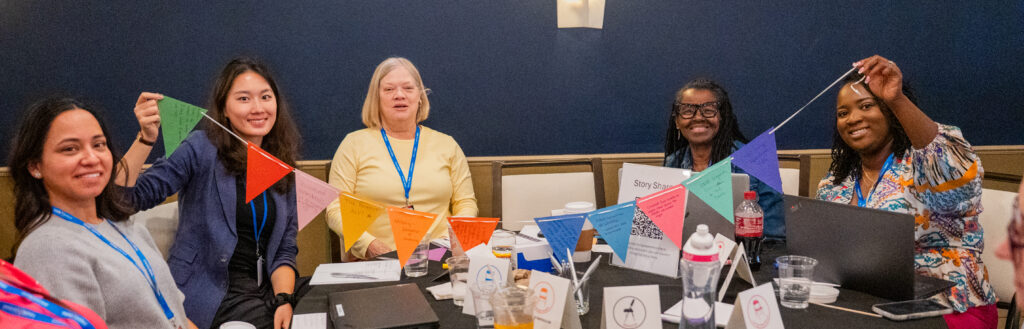
The goal of the White Papers is to revisit and update the existing 2009 FASD National Task Force Recommendations to reflect progress in the field and the broader, growing audience of the FASD movement. The 2009 National FASD Task Force Call to Action provided recommendations for agencies, research institutions, clinicians, and advocacy.
The FASD Symposia and resulting White Papers are meant to build on and expand this Call to Action. It is meant to include more living experience and boots-on-the-ground insights. It is meant to be acted on by anyone and everyone who is passionate about the FASD movement.
The original author of the 2009 Task Force Recommendations, Heather Carmichael Olson, supported FASD United in this effort by serving as a consultant on the structure, design, and final product. We also have support from researchers and professionals who participated in the initial 2009 Task Force meeting.
FASD Symposia
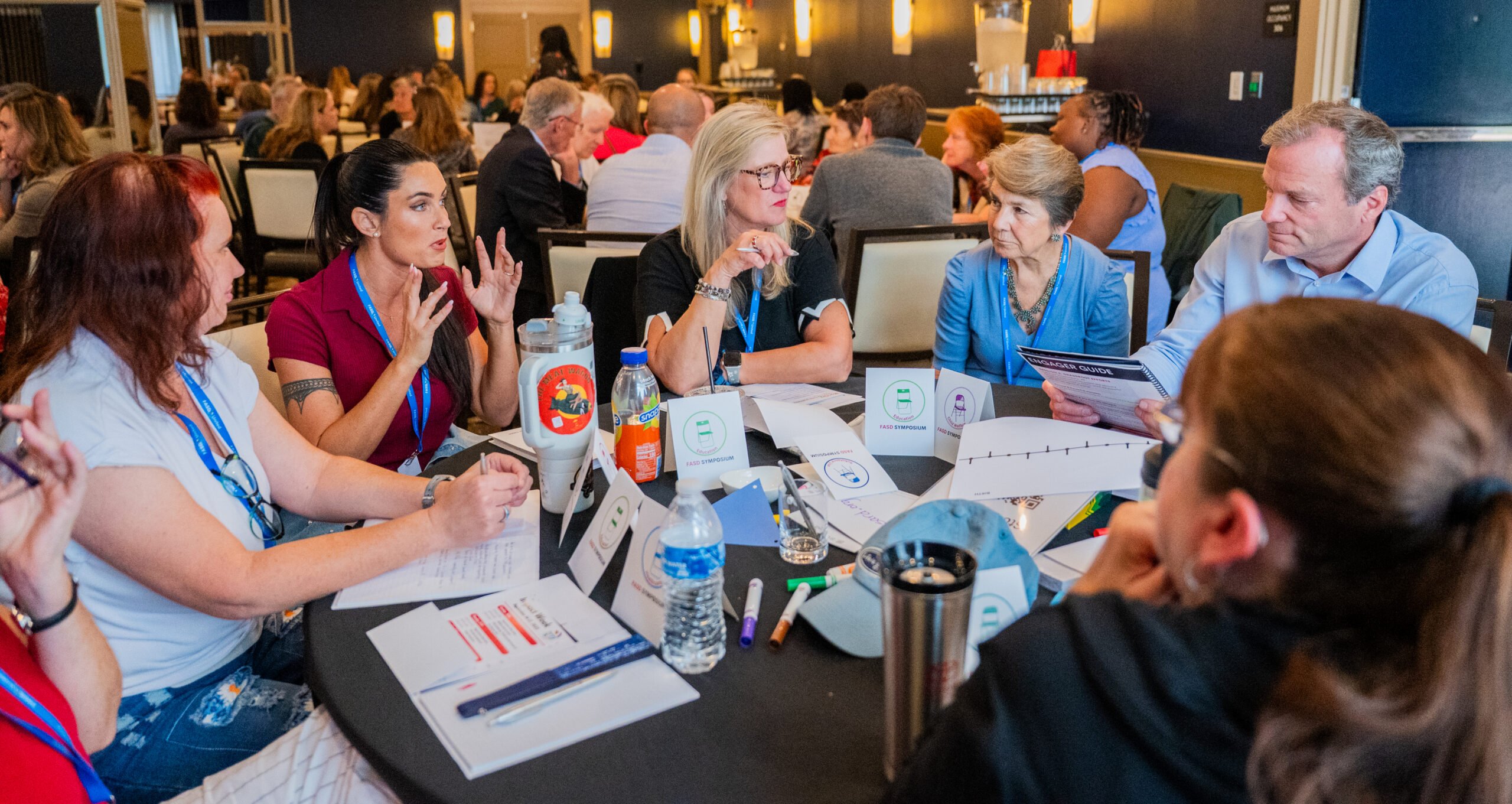
Each year, FASD United hosts the FASD Symposium, a national discussion in Washington, DC, among individuals with FASD, families, federal and state agencies, professionals, organizations leading FASD work in their communities, and researchers. The discussions are structured as individual sessions ending with feedback collection from attendees. That feedback is then analyzed, organized, and summarized in the White Paper. White Paper 1.1 was published in 2025, and White Paper 1.2 was published in 2026.
While this event is technically the “Data Collection Day” for the FASD White Papers, it is so much more. It is a chance for people with living experience to have their voices valued equally to the researchers and agencies sharing a table. It is a chance to exchange languages, ideas, and hopes for our community.
FASD White Papers
After the FASD Symposium, the Authorship Team reviews the collected data (including feedback from Symposium Contributors) and groups it into themes. These themes help to build specific Action Items that can be taken on by individuals, organizations, and agencies. The data are also used to update the original recommendations with current language, context, and priorities.