Tag: Training
-

Dear Behavioral Analyst, ABA Can Work for FASD Too
Live Interactive Online Training offered on Zoom Date: Tuesday, October 27, 2026 Time: 1:00 – 2:30 pm EST ( 12:00-1:30pm CT, 11-12:30pm MT, 10-11:30am PST) Cost: $10 (no CEs), $25 with BCBA/BCaBA CEU, $25 with LCSW, LMHC, LMFT, and CMSW ABA can be effective for FASD, but only when we adapt our clinical approach to…
-

Fetal Alcohol Spectrum Disorders (FASD) and Digital Dangers: A Self-Advocate’s Tips on Staying Safe
Live Virtual Zoom Training Sponsored by The Florida Center and the State of Florida, Department of Health Date: Friday, December 11, 2026 Time: 11:00-12:30pm EST ( 10-11:30pm CST, 9-10:30am MST, 8-9:30am PST) Cost: FREE DESCRIPTION: Join Alex, a young adult and self-advocate with Fetal Alcohol Spectrum Disorder (FASD), and his mother, Pam, as they share…
-
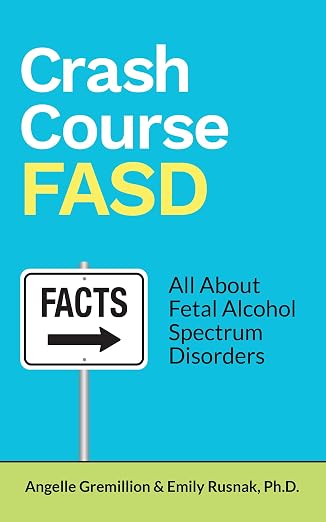
Crash Course FASD: Lunch & Learn with the Authors
Join us on Tuesday, October 28 at noon Central for a special lunchtime webinar: Crash Course FASD, featuring authors Angelle Gremillion and Dr. Emily Rusnak. Understanding FASD can feel overwhelming. This session breaks down the basic facts you need to fully understand the condition, straight from the authors of Crash Course FASD. Already read the…
-

Change the Environment, Transform the Outcome: Supportive Strategies for Growth and Success in Neurodiverse Kids, Teens and Young Adults
Grounded in decades of combined lived experience raising children with FASD into young adulthood and years of professional training, coaching, mentoring, and conferences, this training offers a practical, compassionate look at what truly supports neurodiverse children and the caregivers who love them. Participants will explore how the emotional and sensory atmosphere of the home influences…
-

Lived Experience Matters: Fetal Alcohol Spectrum Disorders (FASD) through the Voice of a Self-Advocate
With honesty and humor, Alex shares his personal story, describing what his diagnosis means to him and how it has shaped his life, from school and friendships to independence and advocacy. He offers insight into both the struggles he faces and the “superpowers” that come with his unique brain. His mother adds a parent’s perspective,…
-

How to Support Families Raising Children with FASD
When a child has a Fetal Alcohol Spectrum Disorder (FASD), the impact extends far beyond parents and caregivers. Grandparents, aunts, uncles, siblings, family friends, and community members often want to help but may struggle to understand why traditional parenting approaches do not seem to work or why families make certain decisions or why caregivers sometimes…
-

FASD: What Is It and What Do We Do About It? aka Intro to FASD
Come join us for this FREE training! Of all substances of abuse, alcohol causes the most serious long-term effects in a fetus, resulting in permanent brain damage. Many children with FASDs often go undiagnosed and suffer lifelong social challenges, serious mental health problems, and involvement with the juvenile justice system. Proper identification and intervention can help…
-

FASD & the IEP Mentorship Coalition
The FASD & the IEP Mentorship Coalition is an opportunity for ongoing training designed for people working with students with FASD who have, or need, an Individualized Education Program (IEP). This program recognizes and focuses on the need for ongoing growth and education specific to the needs of students with FASD within the special education system.…
-

Exploring the Neurodiversity of FASD
In this session you will learn: What Fetal Alcohol Spectrum Disorder (FASD) is, the prevalence, and how it can be prevented How prenatal alcohol exposure affects a developing brain The link between brain function and behaviors- challenges and strengths Strategies for changing behaviors What you can do to prevent FASD and support individuals that may…
-

ALC of FASD Changemakers: FASD – It’s all About the Dominos: The Big Five
In this workshop, the International Adult Leadership Collaborative (ALC) of FASD Changemakers will explain and talk about what they call “inside the box thinking” behavior to describe how to better understand and think about FASD to support those who are living with it. This information is what they have learned as adults about a way…